

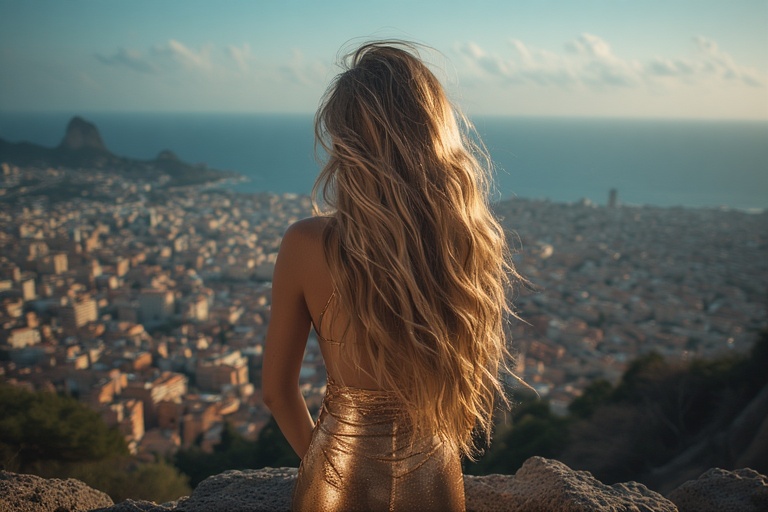
Barcelona is a city of contradictions — where independence flags wave next to beach towels, and where you can order coffee in three different languages without anyone blinking an eye. It’s a place that feels proudly unique yet constantly in conversation (and sometimes in argument) with the rest of Spain. Beneath the postcard views and creative buzz lies a society that’s still figuring out what it wants to be — Catalan, Spanish, global, or maybe all at once.
Catalan or Spanish? The Everyday Debate
The question of Catalan independence might sound political, but in Barcelona, it also shapes how people talk, celebrate, and even how they introduce themselves. Since the 2017 referendum, which declared independence for a few chaotic minutes before Madrid said “not so fast,” Catalonia’s sense of identity has remained a topic of dinner-table debate — right between the olives and the cava.
Many locals feel deeply Catalan, proud of their distinct culture, language, and traditions. You see it in the senyeres (Catalan flags) hanging from balconies, in the sardana dances in Plaça de la Catedral, and in the quiet insistence that “Catalonia is not just a region.” Others, though, prefer a more blended identity — Catalan and Spanish — or simply see themselves as European citizens of the world.
And most people? They just want to get to work on time and hope the next political protest doesn’t block their bus route again.
A City That Speaks in Many Tongues
One of the most fascinating things about Barcelona is how multilingual daily life has become. Catalan and Spanish share official status, and English often sneaks in as the unofficial third wheel.
At school, kids study mostly in Catalan; on the street, you’ll hear a mix depending on the neighborhood. In a hip café in Gràcia, your barista might switch effortlessly between Catalan, Spanish, and English — depending on whether you look like a local, a tourist, or someone who just needs caffeine.
The linguistic blend gives Barcelona its cosmopolitan rhythm. It’s not unusual to start your day saying “Bon dia”, grab lunch with a “buen provecho”, and end your night hearing “cheers!” from a group of Erasmus students at the next table.
But language also carries emotion — it’s a marker of belonging. For some, speaking Catalan is a quiet act of cultural preservation; for others, it’s simply what they grew up with. Either way, the city thrives on this linguistic dance, a melody that’s as fluid as it is defining.
The Hidden Divide: Inequality Behind the Glamour
While the tourists marvel at Gaudí’s curves and beach sunsets, many locals face a tougher reality. The booming economy — driven by tourism, tech, and real estate — has not been kind to everyone.
Rising rents, unstable jobs, and the cost of living have deepened the gap between the shiny “new Barcelona” and the everyday struggle of many residents. Neighborhoods like El Raval and Sant Martí have seen both revival and displacement — a paradox where prosperity can feel like eviction.
Who benefits from the city’s success? Often, it’s investors, developers, and digital nomads with foreign salaries. Who gets left behind? The shopkeepers, teachers, and families who made Barcelona what it is.
Still, resilience runs deep here. Community kitchens, local cooperatives, and neighborhood associations have become the quiet heroes of the city, proving that solidarity is as much a part of Catalan culture as pa amb tomàquet and loud political debates.
A City Still Becoming Itself
Barcelona’s identity is a moving target — part Mediterranean port, part European hub, part Catalan heart. It’s proud, conflicted, expressive, and deeply human.
The independence debate may divide opinions, and inequality may test patience, but what keeps the city alive is its endless drive to reinvent itself — not just in architecture and urban design, but in spirit.
In the end, Barcelona doesn’t need to choose between Catalan and Spanish, past and future, tradition and innovation. It’s already all of them — loud, colorful, contradictory, and irresistibly alive.