





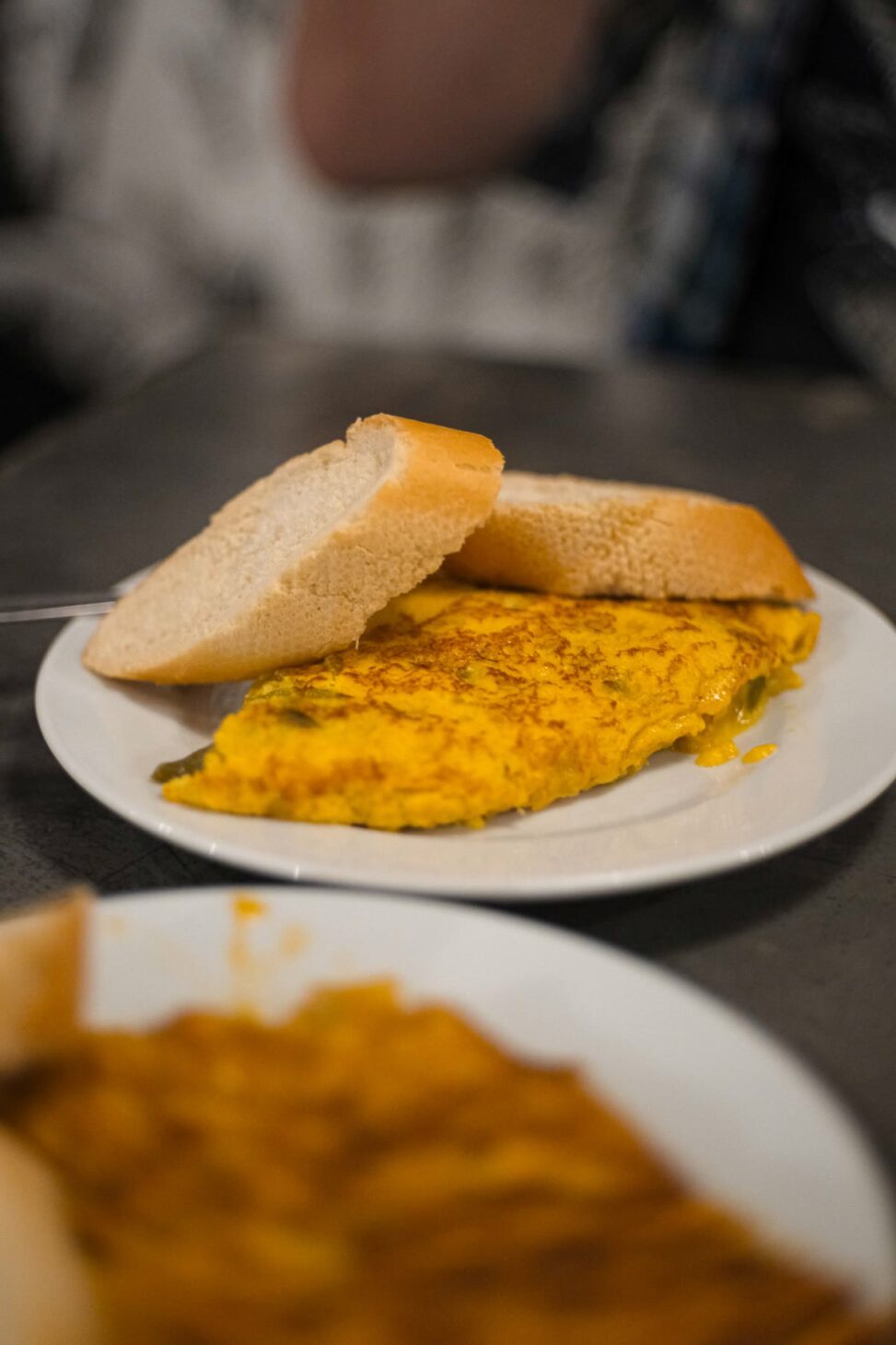
Walk into almost any bar in Spain and you will find it: a thick, golden wedge of egg and potato, cool enough to pick up with your fingers or warm enough to steam when you cut into it. Tortilla de patatas—also called tortilla española—is not flashy. It does not rely on rare spices or theatrical plating. Yet it remains one of the most loved and debated dishes in Spanish food culture, a quiet emblem of everyday life from Madrid to the Basque Country and beyond.
Roots Across Spanish Tables
The dish as we know it is closely tied to Spain’s embrace of the potato after the vegetable arrived from the Americas in the 16th century. Potatoes gradually became a staple of Spanish agriculture and home cooking, especially in inland regions where they stored well and filled hungry tables. By the 18th and 19th centuries, egg-and-potato omelettes were already part of popular cooking, and tortilla de patatas took on the role of reliable, portable food for workers, travelers, and family kitchens.
There is no single birth certificate for the tortilla, and several towns claim a connection in folklore. What is clear is that the dish settled into Spanish life as a national comfort food rather than a courtly specialty. It appears at breakfast, as a tapa, in a bocadillo (sandwich), and as a centerpiece of a simple lunch. Regional pride shows up less in secret techniques than in preferences: some communities insist on onion, others reject it; some like it juicy inside, others firm throughout. Those arguments are themselves part of the tradition.
What Goes Into the Classic Tortilla
At its heart, tortilla de patatas rests on a short list of traditional ingredients: eggs, potatoes, olive oil, and salt. Many Spaniards also include onion, which softens into sweetness and deepens the aroma. The potatoes are typically cooked gently in olive oil until tender, then bound with beaten egg into a thick, pancake-like cake that is finished until the exterior turns golden while the interior stays custardy or set, according to taste.
That simplicity is the point. There is nowhere for poor olive oil or watery eggs to hide. The character of the dish comes from Spanish olive oil’s fruitiness, the starchiness of the potato, and the richness of the egg. Optional companions—a slice of crusty bread, a few olives, a glass of wine or beer—frame it without overshadowing it.
Taste, Texture, and Why It Endures
A good tortilla tastes mild, savory, and deeply comforting. The potato contributes earthiness and a soft, almost creamy bite; the egg adds richness and a gentle eggy aroma; olive oil leaves a clean, sunny finish rather than greasy heaviness when the dish is well made. Onion, when present, introduces a sweet, rounded note that many people associate with “home” versions of the tortilla.
Texture is half the pleasure. The outside should be tender with a light golden crust; the inside ranges from moist and slightly runny to fully set and sliceable. Either way, the mouthfeel is cohesive—potato and egg fused rather than layered like a French omelette. Served warm, the aromas of warm egg and oil rise immediately. Served at room temperature, as it often is in bars, the flavors settle into something denser and more concentrated, ideal for sharing.
What makes tortilla de patatas distinctive is that restraint. It does not chase heat, smoke, or sweetness. Its signature is balance: humble ingredients transformed into something greater than their parts, portable enough for a picnic and dignified enough for a family celebration. In a cuisine famous for jamón and seafood, the tortilla remains Spain’s democratic classic—the dish that tastes like belonging.